AI in Healthcare 2025: 15 Revolutionary Applications Transforming Medicine
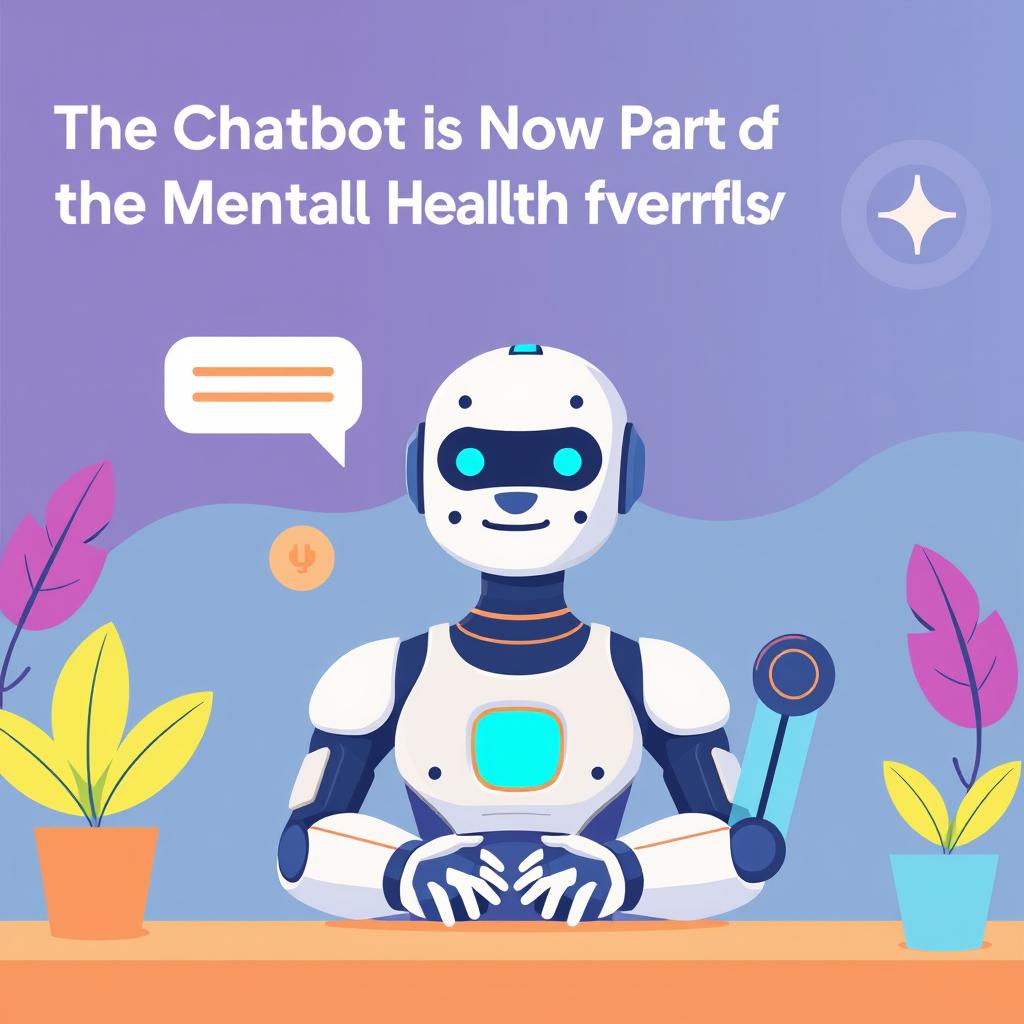
AI in healthcare is no longer a futuristic concept whispered about at medical conferences — it is now a daily operational reality. Hospitals, diagnostic labs, pharmaceutical companies, and health-tech startups are deploying AI technologies to improve patient outcomes, reduce operational costs, and accelerate medical innovation. From analysing medical images to predicting patient deterioration, AI in healthcare is transforming nearly every stage of the healthcare ecosystem. What once required hours of manual analysis can now be completed in seconds with sophisticated machine learning models. In this industry guide, we explore 15 revolutionary applications of AI in healthcare for 2025, including real-world use cases, benefits, and the future potential of healthcare artificial intelligence. Why AI in Healthcare Is Accelerating Several forces are accelerating the adoption of AI in healthcare worldwide. Healthcare systems are under immense pressure to improve outcomes while controlling costs, and AI technologies provide powerful tools to achieve both. Three major factors are driving this transformation: 1. Explosion of Healthcare Data Modern healthcare generates enormous amounts of data from sources such as: AI systems thrive on large datasets, making healthcare an ideal environment for machine learning applications. 2. Advancements in AI Models Recent advances in deep learning, natural language processing, and predictive analytics have dramatically improved the capabilities of ai healthcare applications. These systems can now identify patterns in complex medical datasets that are often impossible for humans to detect. 3. Operational Pressure on Healthcare Systems Hospitals worldwide face: AI in healthcare helps automate repetitive processes and improve efficiency without compromising patient care. Regulatory Progress Enabling AI in Healthcare Regulatory frameworks are evolving rapidly to support the safe deployment of healthcare artificial intelligence. The U.S. Food and Drug Administration (FDA) has approved over 500 AI-enabled medical devices, most of them in medical imaging and diagnostics. In India, the Central Drugs Standard Control Organisation (CDSCO) is actively developing regulatory pathways for clinical AI software. This regulatory clarity is critical for scaling AI in healthcare adoption across hospitals and diagnostic centres. As regulatory bodies become more comfortable with healthcare artificial intelligence, we are likely to see even faster innovation in the coming years. 15 Revolutionary AI in Healthcare Applications AI technologies are reshaping medicine in ways that were unimaginable just a decade ago. Below are the most impactful AI in healthcare applications transforming the industry. 1. Diagnostic Medical Imaging One of the most successful uses of AI in healthcare is medical imaging analysis. AI systems trained on millions of medical images can detect diseases with remarkable accuracy. These systems are assisting radiologists in identifying conditions such as: In some cases, AI models have demonstrated accuracy comparable to — or even exceeding — experienced radiologists. Rather than replacing specialists, AI in healthcare imaging acts as a clinical co-pilot, helping physicians detect abnormalities faster and more consistently. 2. Pathology and Histology Analysis Pathology traditionally requires specialists to manually examine tissue samples under microscopes. AI in healthcare is transforming this process through computational pathology. AI algorithms can analyse high-resolution digital slides and identify: These tools significantly improve productivity. Some pathology labs report 3–5x increases in analysis speed when AI assistance is used. Healthcare artificial intelligence in pathology also improves diagnostic consistency, reducing variability between pathologists. 3. Clinical Documentation Automation Administrative tasks consume a surprising amount of physician time. Studies show that doctors spend up to 35% of their working hours on documentation, leaving less time for patient care. AI in healthcare documentation systems solve this problem through ambient clinical intelligence. These systems automatically: The result is a dramatic reduction in administrative workload. Doctors can focus more on patients instead of paperwork. Voice-Enabled Clinical AI Voice-enabled systems represent one of the fastest-growing ai healthcare applications. Physicians can speak naturally during consultations while AI software automatically creates structured documentation such as: This hands-free approach dramatically improves workflow efficiency. 4. Drug Discovery and Development Drug discovery has historically been one of the most expensive and time-consuming processes in science. Traditional drug development can take 10–15 years and cost billions of dollars. AI in healthcare is dramatically accelerating this process by: One of the most famous breakthroughs came from DeepMind’s AlphaFold, which predicted protein structures with unprecedented accuracy. Healthcare artificial intelligence is now helping pharmaceutical companies develop new drugs in less than half the traditional time. 5. Personalised Treatment Planning Every patient is unique, and treatments that work for one person may not work for another. AI in healthcare enables precision medicine by analysing large datasets including: AI systems can recommend personalised treatment plans tailored to each patient’s biological profile. This approach significantly improves treatment effectiveness while reducing side effects. 6. Predictive Patient Deterioration One of the most life-saving AI healthcare applications is predictive monitoring. AI systems continuously analyse patient data such as: Using predictive models, AI in healthcare can detect subtle changes indicating that a patient’s condition may deteriorate. These systems can alert clinicians 6–24 hours before a crisis occurs, allowing early intervention. Sepsis Early Warning Sepsis is one of the leading causes of hospital deaths worldwide. AI algorithms can detect early warning signs of sepsis by analysing multiple data points simultaneously. This early detection capability allows clinicians to begin treatment sooner, significantly improving survival rates. 7. Hospital Capacity and Flow Optimisation Hospital operations are complex systems involving thousands of variables. AI in healthcare operations helps hospitals optimise patient flow using predictive models. These models forecast: Hospitals using AI-driven flow optimisation have reported: This means better care without needing additional infrastructure. 8. AI-Powered Medical Coding and Revenue Cycle Medical billing is one of the most complex administrative processes in healthcare. AI in healthcare administration automates medical coding using natural language processing. AI systems can analyse clinical documentation and generate accurate billing codes with 95%+ accuracy. Benefits include: This is one of the highest-ROI ai healthcare applications for hospitals and clinics. 9. Mental Health Support Mental health services remain severely under-resourced in many countries. Healthcare artificial intelligence is expanding access through conversational AI systems. These tools provide: While not a replacement for therapists, these tools offer accessible mental
AI in Healthcare 2025: 15 Revolutionary Applications Transforming Medicine Read Post »